Mobilizing Action to Reduce Food Loss and Food Waste
COMMUNICATION TOOLKIT FOR AWARENESS ON FOOD WASTE REDUCTION FOR HOTELS, RESTAURANTS AND CATERING (HoReCa) SECTOR
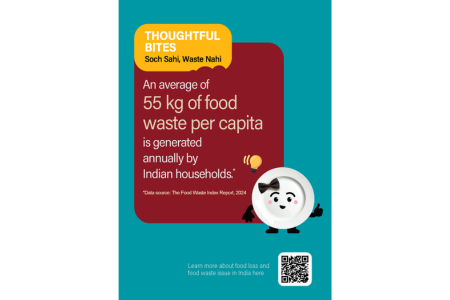
Every year, Indian households waste 78.2 million tonnes of food—enough to feed nearly 377 million people (UNEP, 2024). This massive food waste problem threatens food and nutrition security and fuels greenhouse gas emissions. The Hotels, Restaurants, and Catering (HoReCa) are one of the primary generators of food waste and can play a crucial role in reducing India’s food waste. By engaging directly with their consumers, they can enable a large-scale behavioural shift among food consumers in India.
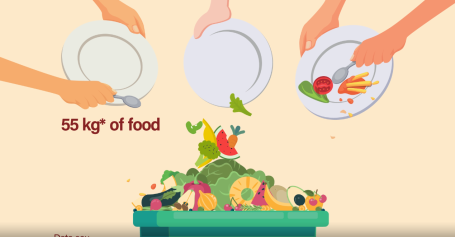
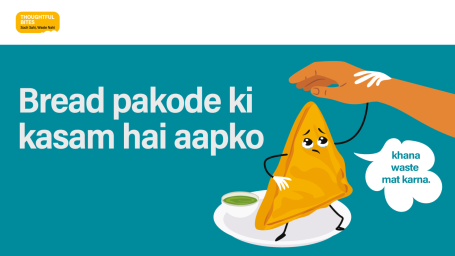
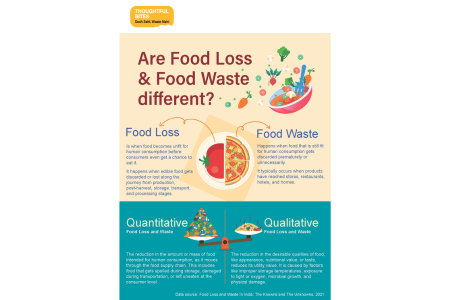
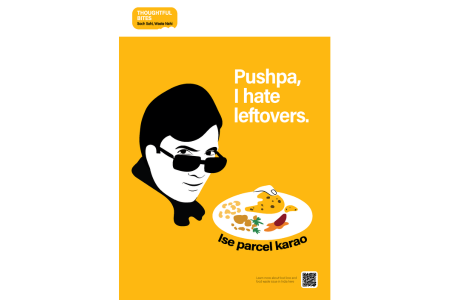
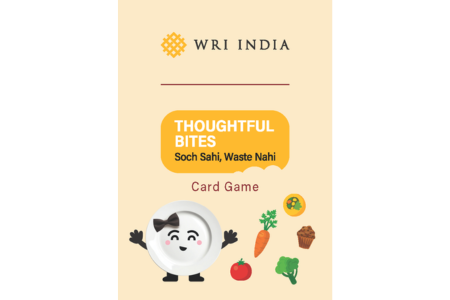
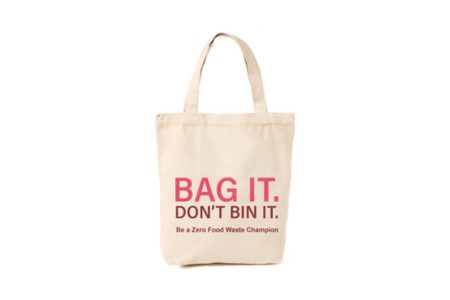
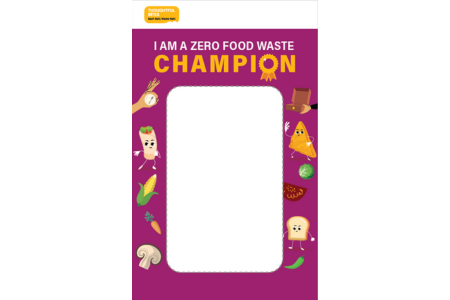
To support HoReCa sector in reducing food waste, WRI India has developed the Communication Toolkit for Awareness on Food Waste Reduction. This toolkit offers ready-to-use communication resources that help HoReCa businesses promote mindful consumption. The toolkit uses humor, positivity, and aspirational messaging to nudge food consumers toward zero food waste behaviors. This toolkit is a bouquet of diverse communication tools, including posters, digital banners, table tent cards, fridge magnets, badges, a card game, engaging digital media like an animated video and jingle and much more. Explore what’s inside here!
We encourage you to download and share these communication resources widely within your network for creating awareness on food waste reduction.


AUDIO PACKAGES FOR AWARENESS ON FOOD LOSS AND FOOD WASTE AMONG LOCAL COMMUNITIES
WRI India has developed audio packages in local languages (in Hindi and Marathi) for generating awareness on the issues of food loss and food waste (FLFW) among local communities of Madhya Pradesh and Maharashtra. Each audio package is developed in rooted in regional socio-cultural contexts and contains a 10-episode series explaining the issue, its impacts and possible solutions for wider audience across urban and rural geographies, such as farmers, consumers, and supply chain actors.
Both Hindi and Marathi audio packages are available as open access, downloadable communication resource for use by regional civil society organizations, government bodies, and partner institutions committed to reducing FLFW in India.