RISE-Surat
Building future-ready textile MSMEs and workforce in Surat
Surat has over 400 textile dyeing and printing units, producing nearly 40% of India’s synthetic fabric. Under RISE-Surat, WRI India supports textile MSMEs through research, industry engagement, capacity building and skilling to help them become future-ready, resilient and sustainable. Through vulnerability assessments and training workshops, the initiative enables MSMEs to adopt feasible solutions for greener operations and a just, inclusive low-carbon transition. Learn more about the RISE-Surat launch here.
 |
Stakeholder Consultations
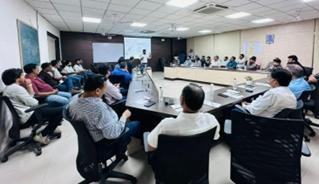
WRI India has been engaging with several textile processing MSMEs and workers from Surat's Palsana, Pandesara, Sachin and Kadodara sub-clusters, to map their needs as they transition to a low-carbon textile sector. Consultations with the stakeholders brought out the need for MSMEs to transition to alternative fuels, adopt resource efficient technologies and become more resilient. Capacity building and skilling workshops with MSME owners, mid-level, and shop-floor workers will help achieving the desired outcomes.
To help implement interventions, RISE-Surat has been engaging with key stakeholders at the local, state and national-level, such as the Surat Municipal Corporation, Gujarat Pollution Control Board, Gujarat Energy Development Agency, Energy Efficiency Services Limited, NTPC Limited, Textiles Skill Sector Council, Skill Council for Green Jobs, among others.
Indoor Heat Assessment
Between March and June, temperatures in Surat soar, reaching 37 degrees to 41 degrees Celsius. Relative humidity can range from 35% to 80%, especially during the pre-monsoon weeks. For workers in poorly ventilated spaces, these conditions pose severe occupational risks. Prolonged exposure leads to fatigue, dehydration, and loss of fluids and salts. High humidity worsens skin and respiratory issues, particularly for those handling chemicals in textile processing units.
WRI India is helping workplaces become more resilient and workers stay protected. We organized workshops that brought together stakeholders to discuss practical solutions to the heat-related challenges, explored best practices and peer-to-peer strategies, and shared easy to implement tips for both enterprises and workers. We also created and shared 800+ heat safety posters that offered practical tips—from spotting early warning signs to following clear DOs and DON’Ts for heat safety.
To know more about indoor heat stress in Surat’s textile MSMEs, read this blog.
Gujarat Sustainability Summit 2025
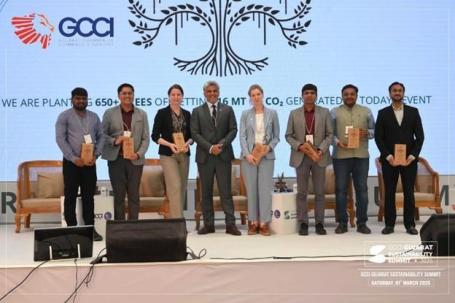
Organized by the Gujarat Chamber of Commerce and Industry with WRI India as knowledge partner, the summit featured 30+ speakers and 750+ participants. MSMEs from textile, chemical, engineering, pharma and semiconductor sectors discussed ESG, exports, finance and technology.
RISE-Surat Launch
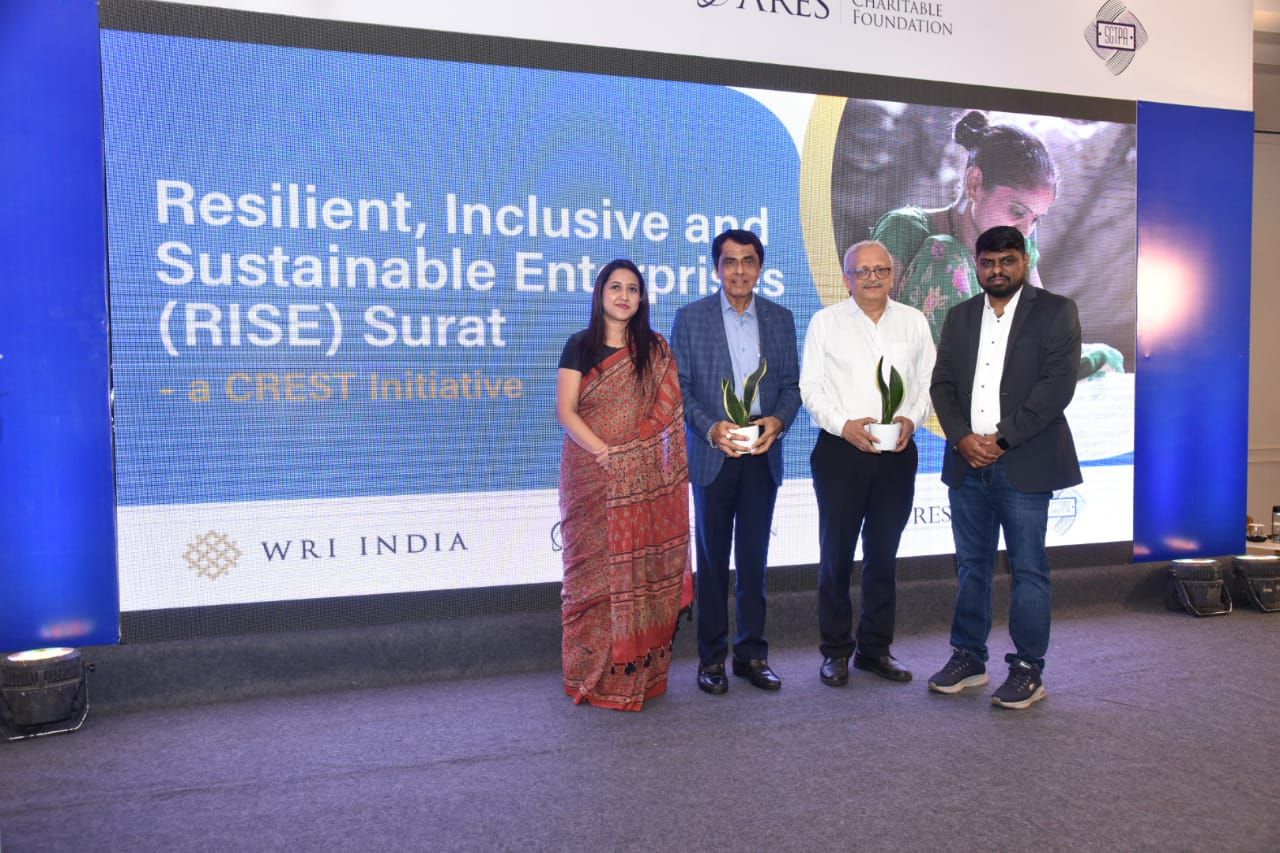
To equip MSMEs and workers in Surat’s textile sector, WRI India unveiled RISE-Surat. By 2026, the initiative will provide MSMEs with a clear understanding of the potential climate impacts and changes needed for a low-carbon transition. It will work to underscore the advantages of adopting sustainable strategies and illustrate how these can enhance competitiveness and resilience. By conducting capacity-building programs, skilling programs, and raising awareness on accessing finance, RISE-Surat will support the implementation of sustainable practices by textile MSMEs in the cluster. Learn more.
Workshops and Trainings
Eco-Energy Connect - Biomass buyer and supplier meet for South Gujarat
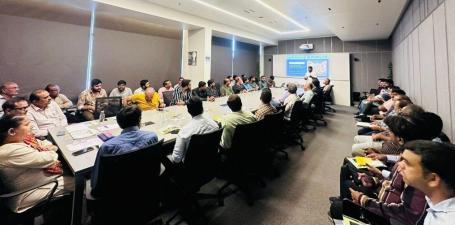
To bridge the gap between textile MSMEs and biomass suppliers and foster connections to support industry decarbonization, WRI India, in collaboration with GPCB, South Gujarat Textile Processors Association (SGTPA), Directorate of Boilers and Gujarat Biomass Briquette Association (GBBA), brought together textile MSME owners, biomass manufacturers, and government agencies. A key highlight was GPCB's announcement of its plan to implement biomass initiatives, starting with 50 industries in Surat.
Boiler Training Series
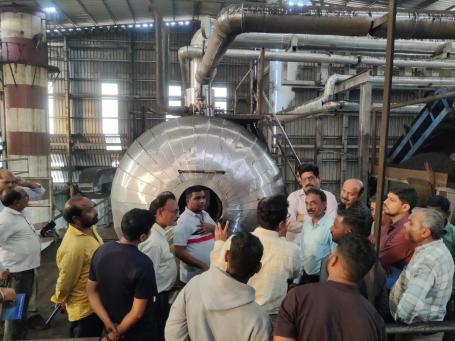
WRI India organized boiler operator trainings for textile MSMEs in Surat in collaboration with MSME associations, Gujarat Pollution Control Board (GPCB)-Regional Office and the state's Boiler Department. Through practical sessions, the trainings build capacities of boiler operators on the safety protocols and improve the operational efficiency of boilers by minimizing heat loss and steam generation costs and reduce emissions. The trainings equipped 350+ boiler operators with the knowledge needed for safe and efficient boiler operations.
Energy-Efficient Technology and Finance
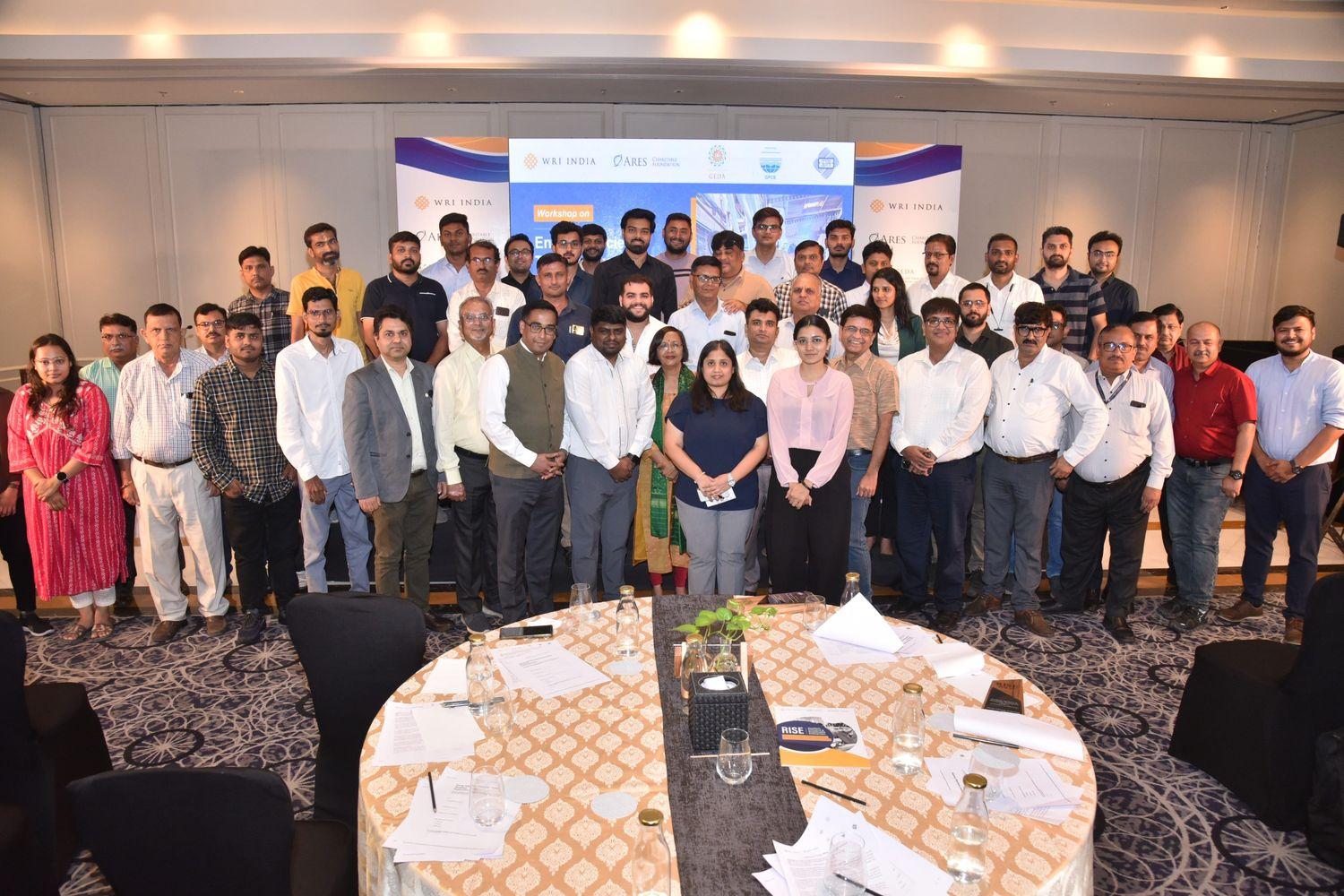
WRI India, in collaboration with Gujarat Energy Development Agency, Gujarat Pollution Control Board Regional Office (Surat), and South Gujarat Textile Processors Association (SGTPA) hosted a workshop to discuss and promote the adoption of energy-efficient technologies and improve access to finance for MSMEs. The event brought together over 110 stakeholders including textile processing MSMEs, association representatives, energy-efficient technology providers, financing agencies, industry experts and policymakers.
LinkedIn Summary: Post | LinkedIn
Meeting with Advisory Group Members
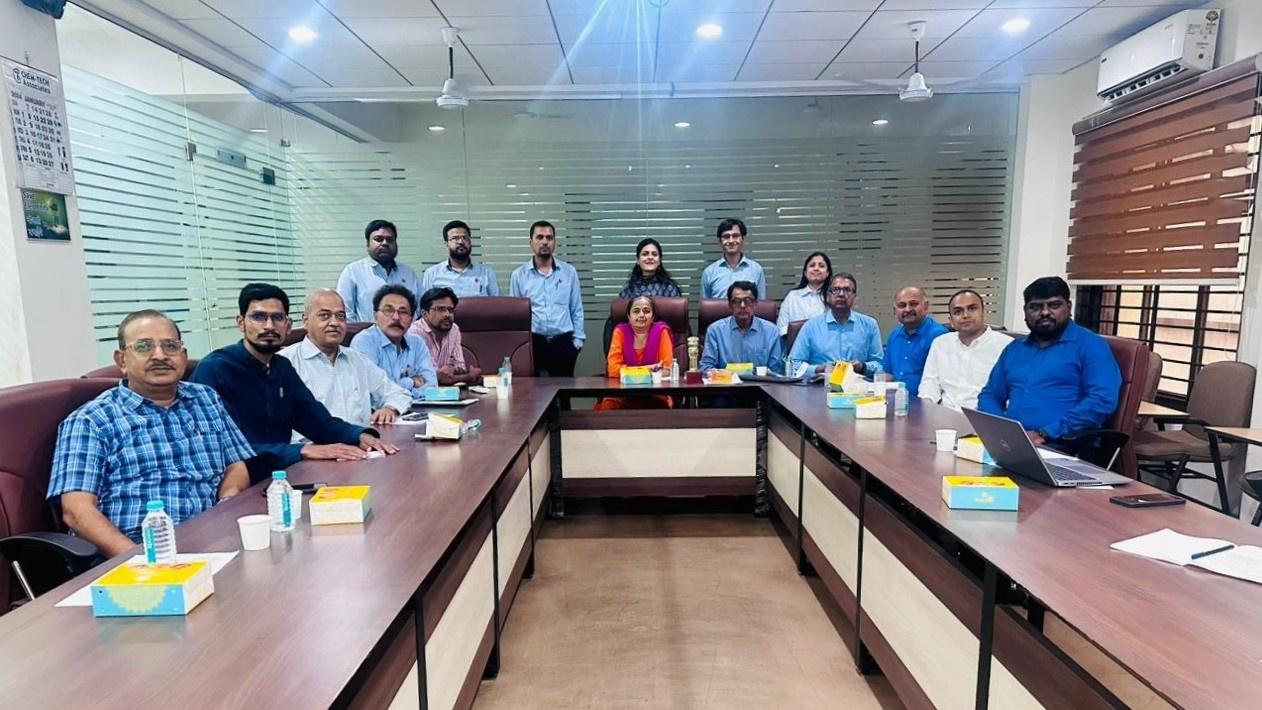
WRI India, along with the Gujarat Pollution Control Board - Surat, hosted its advisory group members consisting of key stakeholders from Surat's textile processing cluster instrumental in shaping activities aimed at assisting MSMEs and their workers in transitioning towards a low-carbon and climate-resilient future. Members at the meeting included MSME owners, training institutes, academia, policymakers and industry associations.
The meeting saw WRI India provide key updates on the progress of engagements with MSME owners and workers, focusing on increasing the adoption of energy-efficient technologies, shifting to biofuels, mapping climate vulnerability, and designing training programs for workers.
LinkedIn Summary: Post | LinkedIn
Investment Bazaar - Energy Efficiency Financing
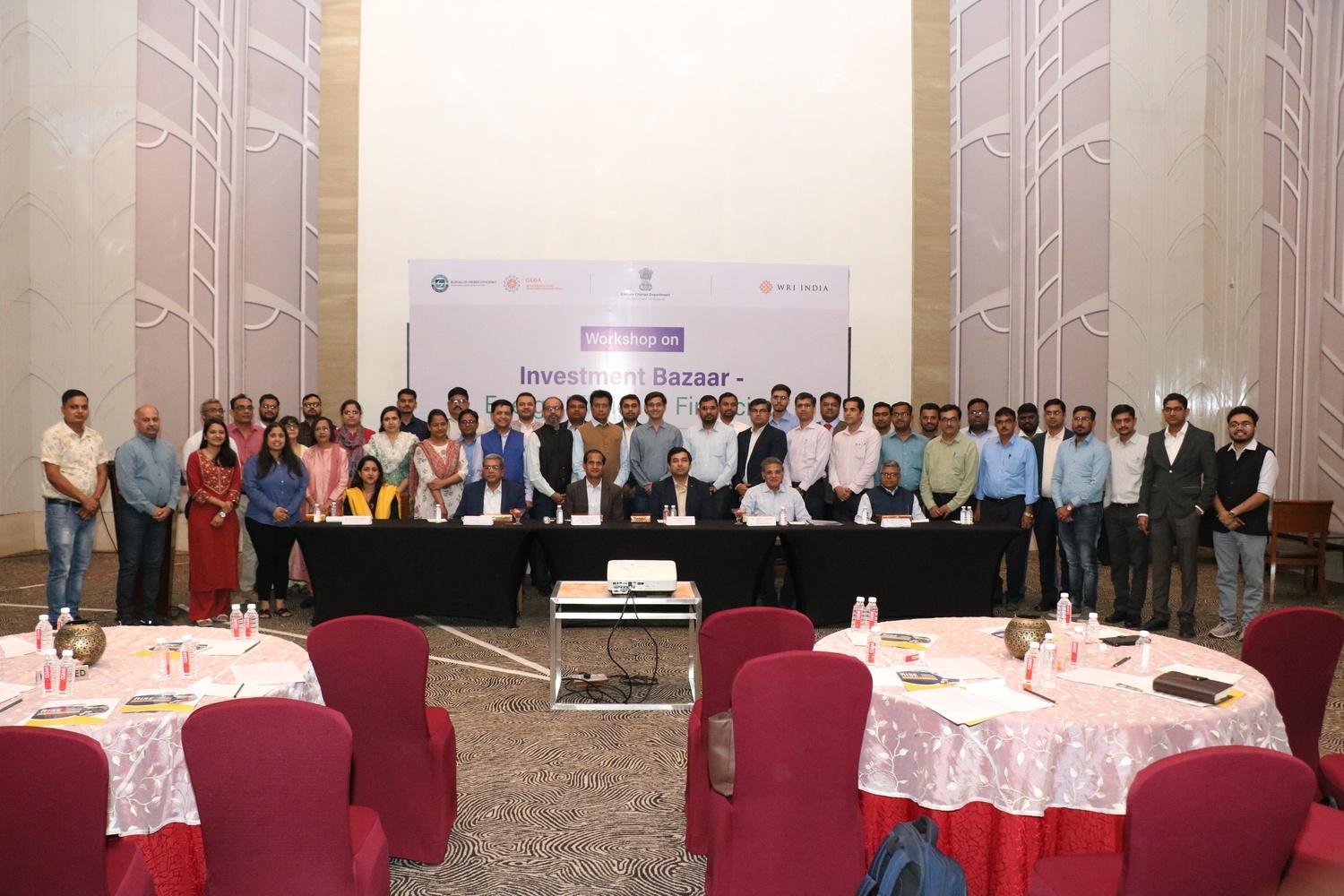
With 65+ attendees representing MSMEs, financial institutions, technology providers, policymakers and industry experts, the workshop focused on the gaps in access to technology and finance advancements as well as opportunities in energy-efficient technologies for industrial application. It highlighted the need for bridging the technology gap for local needs, robust data monitoring and stakeholder collaboration.
LinkedIn Summary: Post | LinkedIn
Jet-Dyeing and Drum-Washing Training
Consultations with MSME owners revealed that a key challenge faced by machine operators is the lack of formal training. Without structured guidance, operators struggle to optimize machine performance, leading to inefficiencies such as faulty dyeing practices, excessive use of dyes and chemicals, and unnecessary water consumption due to incorrect color recipes.
To address these challenges, WRI India partnered with the Man-Made Textiles Research Association (MANTRA), to design a hybrid training program to improve operational efficiency of jet-dyeing, drum-washing and stenter machines. By equipping operators with the necessary skills, the training program significantly reduced wastage of critical resources, including energy, water, chemicals, and fabric.
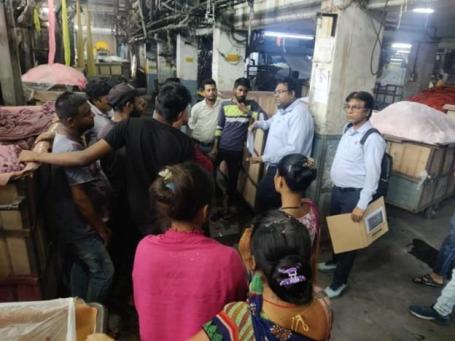
Walkthrough Energy Audits
With the support of a Bureau of Energy Efficiency (BEE)-certified energy auditor, WRI India conducted 18+ walkthrough energy audits to identify areas where preventive maintenance or technology upgrades could improve energy efficiency in MSMEs.
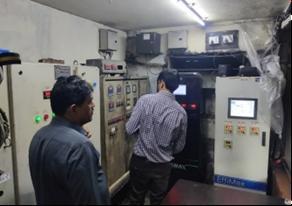
Owner’s Sensitization Workshops
These workshops in Surat introduced MSME owners to the basics of Environmental Management Systems (EMS), strategies for enhancing operational efficiency and lean management principles.