“Climate change may be measured in carbon, but its mother tongue is water.”
- Yuvan Aves, Intertidal
Much of our recorded human history began when people first settled near rivers. The lifeline for thriving civilizations, rivers continue to be hotbeds of attention. Not only do they serve as flashpoints in international disputes over water and theatres of socio-religious rituals, but they also act as the capillaries of regional trade and carry the downstream impacts of climate variability. With growing concerns about the limited availability of freshwater resources, widespread contamination of rivers and escalating damages and loss due to environmental catastrophes, the need for understanding and rejuvenating river ecosystems has never been more critical. Yet most of us remain severed from the origins of rivers and how they shape the world we inhabit.
What is the story of a river, and the stories rivers write for us, our landscapes and our regions? Rivers do not merely flow through geographies but shape places and people. Their own journeys and circumstances, in turn, get shaped by our engineering feats, our politico-legal pronouncements, and most of all, our growing aspirations to circumscribe their boundaries and harvest their waters. Here is a list of books that carries us swiftly along flowing currents and lands us gently by the riverbank to trace the path of how waters continue to shape our geographies, histories and destinies:
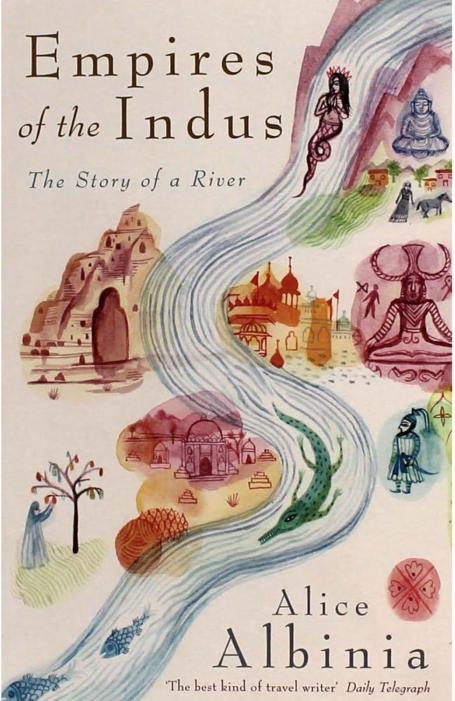
Empires of Indus: The Story of a River by Alice Albania
Alice Albinia’s treatise on the River Indus lays bare how rivers are central not just to ecology and livelihoods, but also to faith, identity and ways of living. Travelling from sea to source, Albinia journeys over 3,000 kms – from the mouth of the river delta in Karachi all the way to the remote corners of present-day Afghanistan, India, Pakistan and Tibet – meeting sanitation officers, farmers, godmen, militia, goat herders and businessmen. Pushing our imagination to reconsider the interconnections across the river basin, rather than the bounded nations that exist today, the book presents how the Indus was central to defining empires.
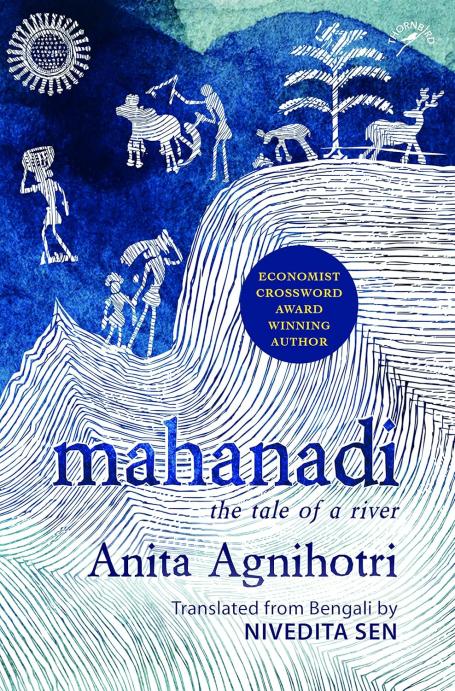
Mahanadi: The Tale of a River by Anita Agnihotri (translated from Bengali by Nivedita Sen)
Originally published in Bengali and later translated into English, this book brings alive a narrative where the river, its bordering landscapes and the people by its banks remain inextricably intertwined. Emerging from the hills of Chhattisgarh, flowing through Odisha, and meeting the Bay of Bengal at Jagatsinghpur, Mahanadi becomes the theatre whose waters shape the mountainous plateaus, forests, mofussil towns, village hamlets and the lives of its inhabitants – imprinting their myths, metaphors and memories.
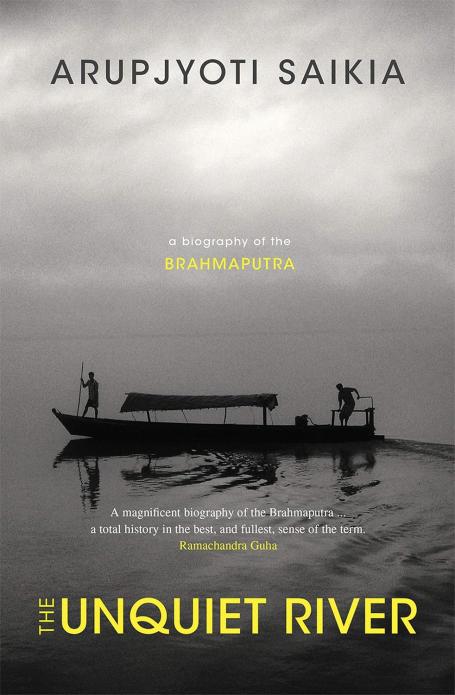
The Unquiet River: A Biography of the Brahmaputra by Arupjyoti Saikia
Tibet's Tsangpo, Arunachal Pradesh’s Dibang, Assam's Brahmaputra and Bangladesh's Jamuna. Arupjyoti Saikia’s layered and sometimes complex biography of the mighty Brahmaputra sees the river in its geomorphological, historical, spatial and ecological totality. Saikia’s text speaks of the places, eras and societies the river traverses and continues to shape. "The Unquiet River" is a window into the many moods of the tempest that makes Brahmaputra one of the longest and most powerful rivers across the world, defining not just one state or nation, but the Indian subcontinent at large.
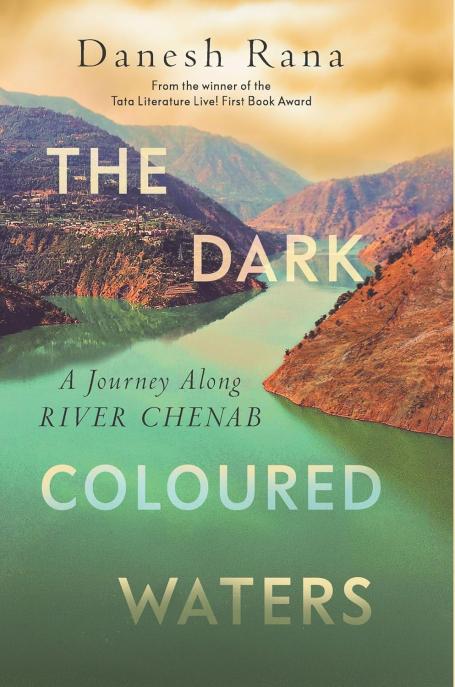
The Dark Coloured Waters: A Journey Along River Chenab by Danesh Rana
Personal memoir and public commentary come together in Danesh Rana’s "The Dark Coloured Waters." For him, the river elicits a profound childhood memory that transmutes to a more sinister and grey form in his adulthood. From a happy companion flowing along family trips and picnics, Rana encounters the river through news headlines of violence and militancy in the Kashmir valley and later as part of his deputation at Ramban police station. This reflective piece is an examination of self and the river, and what they witness across decades that changes both irrevocably.
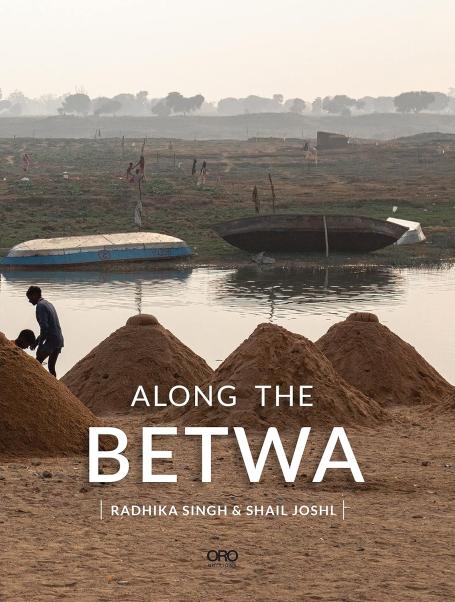
Along the Betwa by Radhika Singh and Shail Joshi
Close your eyes and imagine the slow gushing sound of the river as you walk along its banks. Radhika Singh and Shail Joshi’s documentary piece "Along the Betwa," from an often-forgotten region, brings alive our sensorium. As the authors walk through the dry and drought-prone Bundelkhand region, along the 130km long waterway, they capture the multitude of communities, ecosystems, textures and transitions slowly unfolding along its riverbanks. Using a powerful mix of images, maps, anecdotal evidence and observations, the book presents a powerful example of rich and nuanced documentation of river ecosystems and the rural practices and livelihoods that exist within its folds.
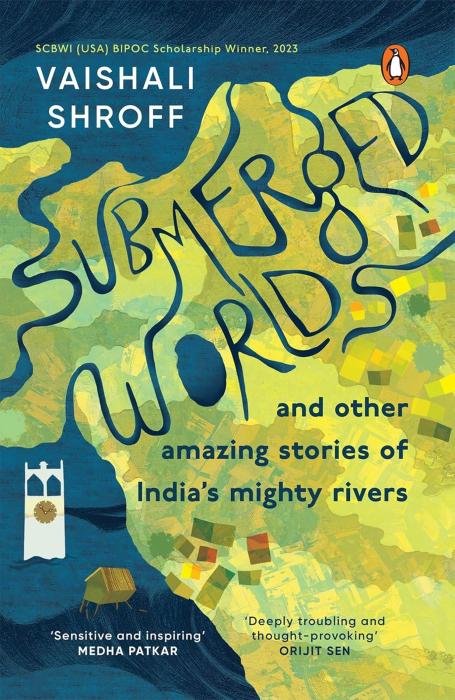
Submerged Worlds and Other Amazing Stories of India’s Mighty Rivers by Vaishali Shroff
Through her book, Vaishali Shroff makes accessible the stories of river ecosystems and the tradeoffs experienced as urbanization and infrastructural development get bankrolled. From chapters on water crises to water warriors, if there is one book you read on rivers this year, make it this one. The book forces us to broaden our perspective on rivers. From melting polar caps to the consequences of interrupting and rewiring river courses, it is a layered view into what we stand to lose and the stories of those fighting to revive it.
In her anthology on river writings "Waterlines”, Amita Baviskar writes, “The reach of a river extends far,” indicating their unsaid presence in our life – when we eat our food, when we turn on a tap, when we celebrate a festival or mourn a loss. Our lives are deeply intertwined with our rivers, yet this connection is often forgotten or ignored. The hope is that we celebrate, respect and fight for these rivers, and allow them to “breathe and flow clear to the sea.” For our land, our cities and our city-regions do not just draw life from these waters, they must also give back to their life.