


Turahalli Speaks: Celebrating Bengaluru’s Last Surviving Forest
An escape from bustling city life, a nesting ground for the rufous treepie, or a home to wild fig trees — Turahalli forest near Bengaluru has long been a haven for both people and nature. The 16-hectare landscape shelters 40 plant species, 116 bird species, and several varieties of butterflies, spiders and reptiles, attracting naturalists, rock climbers and birdwatchers.
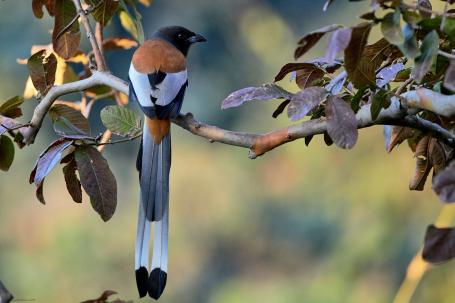
Often referred to as Bengaluru’s last surviving forest, Turahalli, once a thriving dry deciduous forest, is under severe stress. Rising temperatures and drying vegetation are eroding its ecological balance. Equally pressing are the human pressures — encroachment by real estate interests, repeated fires and the thoughtless dumping of waste.
The city of Bengaluru is grappling with the harsh realities of climate change. With groundwater levels dropping, heatwaves intensifying, flooding becoming more frequent, and green cover shrinking at an alarming pace, the city’s resilience depends on protecting ecological refuges like Turahalli.
As part of a collective effort to protect such spaces, WRI India hosted 'Turahalli as a Living Lab,’ – a community dialogue workshop – earlier this year, to show citizens how they can support the restoration and preservation of Bengaluru’s natural ecosystems.
Need for Collective Action
Such community-driven events play a critical role in uniting nature enthusiasts, residents and environmental advocates. They can serve as platforms of collaboration, learning and implementing nature-based solutions at the grassroots level.
A Day of Nature, Art and Community
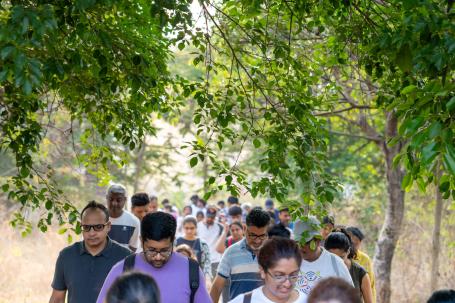
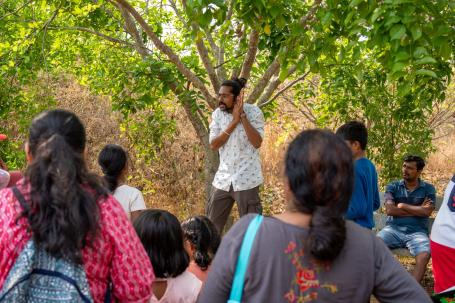
A guided nature walk followed, showcasing Turahalli’s rich biodiversity and the ecological changes it has undergone over the centuries. As participants walked across ancient rocky outcrops, discussions touched on the forest’s geological history, its role in supporting local biodiversity and the visible signs of environmental change.
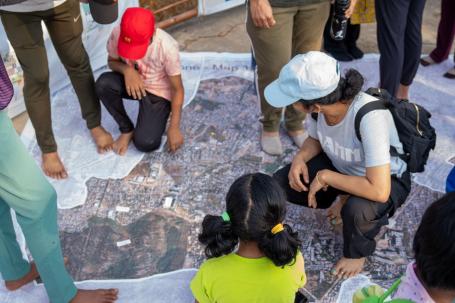
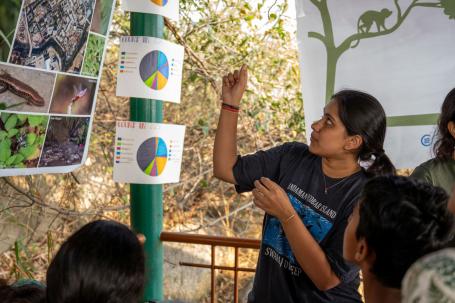
At the BluGreen corner, Thicket Tales, a non-profit organization, conducted storytelling sessions and displayed maps drawn by children, showing the decline of green spaces and the increase in urban built up. In the children’s art corner, young participants painted their visions of a blue-green city.
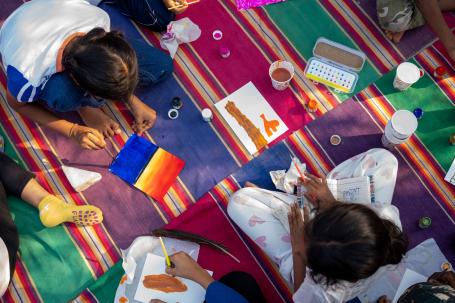
The participant's active engagement demonstrated how art and stories can help people connect meaningfully with our natural world and recognize its beauty, fragility and the urgent need to protect it.
Force For Change
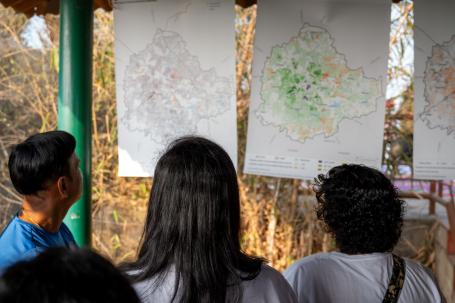
At the event we presented detailed climate data maps showing Bengaluru’s rising urban heat, flood risks, access to green spaces and parks. These maps underscored the urgency of addressing climate change and its impact on the city's infrastructure and ecosystems.
A broader focus on urban climate resilience challenges emphasized collective action. It also highlighted the power of citizens to reduce climate risks by adopting sustainable practices, advocating for green policies and participating in community-driven initiatives.
Planting the Seed of Hope
The event concluded with a special graduation ceremony for the young students from Roots to Vruksh School, celebrating their nature-driven educational journey. Held amid Turahalli’s serene landscape, the ceremony reinforced the importance of environmental education in shaping future generations.
One student shared, ‘I want to protect trees because they give us clean air and a home for birds.’ While they may be young, the hope is that this experience will plant the seeds of environmental awareness and responsibility in generations that are to inherit this planet.
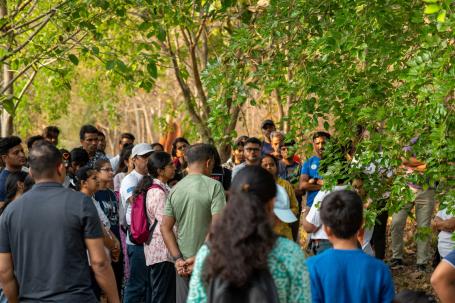
“Turahalli as a Living Lab” was more than just a gathering — it was a celebration of our often-forgotten relationship with urban forests and the need for a community-driven movement to revive this connection. The event fostered awareness, responsibility and a renewed commitment to protecting a shared natural heritage.
By the end of the day, attendees left with a combination of memories, stories and a strong sense of connection with the forest. For many, it served as inspiration to contribute to a greener, more resilient Bengaluru. But the journey doesn’t end here. The question we must ask ourselves is: What will we do for our city’s blue-green future?
Rakshitha Bhat was formerly an Intern with the Urban Water and Climate Resilience team at WRI India.